OBJECTIVES

1. Awareness of feelings, sensations, needs, frames of reference (geo)political and historical events.

2. Connecting from empathy/compassion.

3. Considering of and openness to multiple perspectives.

4. Considering needs underlying behaviours.

5. Focusing on the positive intent underlying behaviour (personal and/or cultural).

6. Focusing on needs as a way (back) to connection when challenged/triggered by a specific situation/behaviour.
7. Curiosity about one’s own and other’s experiences (empathy enhancement).
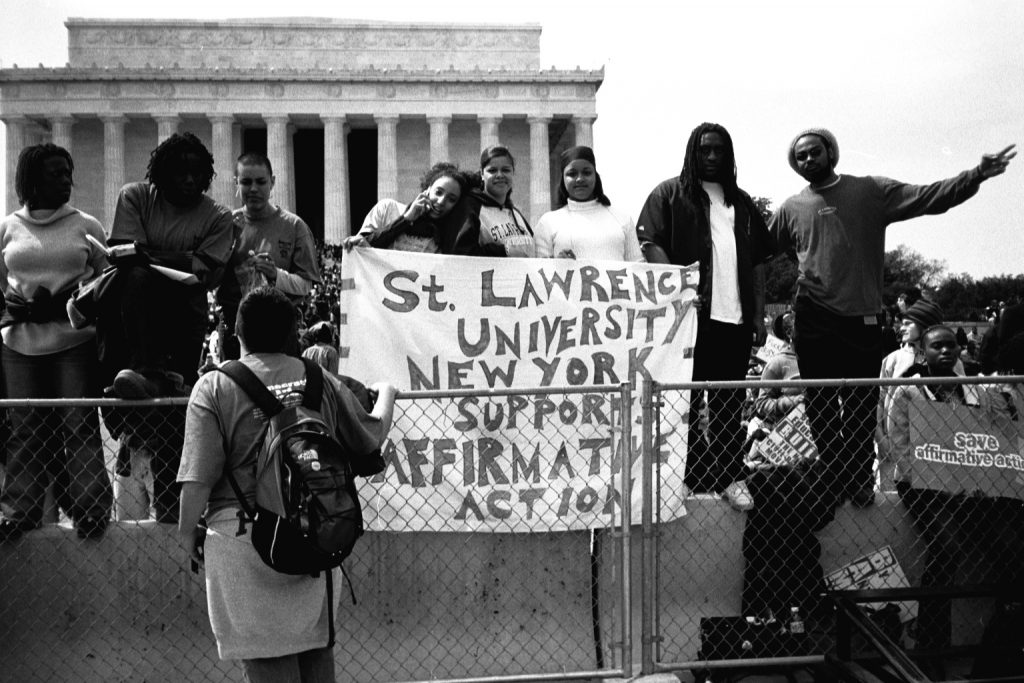
8. Inviting in the (wisdom of the) minority voice.

9. Increasing confidence in one’s ability to self-regulate, co-regulate and navigate conflict and challenging dynamics in educational contexts, as well as in inter-and intrapersonal relationships (empowerment, resilience).

10. Awareness of universal needs and discussing/negotiating strategies (personal, cultural) to meet everyone’s needs (intercultural dialogue).

11. A willingness to re-think and co-create meaningful events and alternative meanings (curiosity, generosity, empowerment).
CONTENT
Cross-cultural communication (click on the image to dowland the file)
Audiovisual content (click on the image to watch the video)
REFERENCES
Agerbeck, B., Bird, K., Bradd, S., & Shepherd, J. (2016). Drawn together through visual practice: An anthology. Visual Practice Press.
Arise Embodiment. (n.d.). So you’re ready to choose love: Free conflict resolution workbook. https://ariseembodiment.org/free-workbook/
Bennett, M. (2013). [Entry on intercultural sensitivity]. In C. Cortés (Ed.), Multicultural America: A multimedia encyclopedia. Sage.
Bloem, R., Cuypers, L., & Orye, A. (2023). International and transcultural IT-toolkit: Developed lesson material for the course “The Internationalist”.
Bookey. (n.d.). Embracing diversity in decolonizing nonviolent communication for social justice. Retrieved April 11, 2024, from https://www.bookey.app/topic/embracing-diversity-in-decolonizing-nonviolent-communication-for-social-justice
Chahine, I. (2013). Towards an engaged pedagogy: Bell hooks manifesto and the teaching and learning of mathematics. Global Journal of Human-Social Science, 13(G10), 23–26.
Cimic. (2015). Interculturele competentie in het onderwijs. Politeia.
De Leersnyder, J., Gündemir, S., & Ağirdağ, O. (2021). Diversity approaches matter in international classrooms: How a multicultural approach buffers against cultural misunderstandings and encourages inclusion and psychological safety. Studies in Higher Education, 1–18.
Fantini, A. E. (2000). A central concern: Developing intercultural competence. SIT Occasional Paper Series, 1, 25–42.
Gowing, A. (2019). Peer-peer relationships: A key factor in enhancing school connectedness and belonging. Educational and Child Psychology, 36(2), 64–77. https://doi.org/10.53841/bpsecp.2019.36.2.64
Hammond, Z. (2014). Culturally responsive teaching and the brain: Promoting authentic engagement and rigor among culturally and linguistically diverse students. Corwin Press.
hooks, b. (1995). Teaching to transgress: Education as the practice of freedom. Routledge.
II, D. K. S. (2023, May 16). Decolonizing nonviolent communication: A path towards inclusive dialogues. Medium.
Kohlrieser, G. (n.d.). Embrace conflict – Put the fish on the table. LinkedIn. https://www.linkedin.com/pulse/embrace-conflict-put-fish-table-george-kohlrieser/
Let It Shine Counseling. (n.d.). Felt sense. Retrieved April 11, 2024, from https://letitshinecounseling.com/felt-sense/
Meenadchi. (2021). Decolonizing non-violent communication (DNVC).
Neurodiversity Education Academy. (n.d.). How are you feeling? What do you need? Retrieved July 4, 2024, from https://www.linkedin.com/pulse/how-you-feeling-what-do-need-neurodiversity-education-academy/
Nguyen, T. L. (2019, July 1). A brief analysis of Freire’s dialogue term. Medium. https://medium.com/age-of-awareness/a-brief-analysis-of-freires-dialogue-term-81cb12fd9d71
Psychology Today. (n.d.). Belonging, learning, and the brain. https://www.psychologytoday.com/us/blog/belonging-matters/202306/belonging-and-learning-and-the-brain
PuddleDancer Press. (2023, October 30). NVC trauma. https://www.nonviolentcommunication.com/learn-nonviolent-communication/nvc-trauma/
PuddleDancer Press. (n.d.). Marshall Rosenberg NVC quotes.
Roberts, P. (2023). Paulo Freire on democratic education (D. Yacek, J. Drerup, & J. Culp, Eds.). Cambridge University Press.
Sadowski, E. (2018). Intuition and education. Oxford Research Encyclopedia of Education. https://doi.org/10.1093/acrefore/9780190264093.013.306
Shapiro, H. (2018, April 23). The Wiley handbook on violence in education [Review]. John Wiley & Sons.
Torres, F. (2018, February 12). Pedagogy of love: Teaching for humanity. Online Network of Educators. https://onlinenetworkofeducators.org/2018/02/12/pedagogy-of-love/
United Nations. (2023, September 22). Discourse on peace at United Nations | Gurudev Sri Sri Ravi Shankar.
United Nations. (n.d.). Intercultural dialogue. https://www.un.org/en/academic-impact/inter-cultural-dialogue
University of California, Santa Cruz. (n.d.). Tool: Interrupting microaggressions. https://academicaffairs.ucsc.edu/events/documents/Microaggressions_InterruptHO_2014_11_182v5.pdf
Empathy by Marshall

«If I use empathy to liberate people to being less depressed,
— Marshall Rosenberg
to help them get along better with their family, and at the same time not inspire them to use their energy to rapidly transform systems in the world, then I am part of the problem.
I am essentially calming people down, making them happier to live in the systems as they are,
Then I am using empathy as a narcotic.»
For discussion
- How can Cross-cultural communication (CCC) practices foster inclusion and resolve conflicts between students from different cultural backgrounds?
- ¿Qué desafíos pueden surgir al implementar los componentes del CCC (observación, sentimientos, necesidades y peticiones) en el aula? ¿Cómo podría superarlos?
- In the context of deep democracy, how can we ensure that students’ voices from historically marginalized communities are heard and respected within the classroom?


86 Comments
Andrea Basantes-Andrade · 2026-01-30 at 11:10 am
In the context of deep democracy, ensuring that students from historically marginalized communities are heard and respected involves far more than occasionally inviting them to speak. It means building a classroom environment where their experiences, perspectives, and knowledge are recognized as valuable contributions to collective learning. This requires teachers to create safe spaces for dialogue, encourage equitable participation, and acknowledge the inequalities that shape who feels comfortable speaking and who remains silent. It also involves questioning classroom norms and practices that may appear neutral but actually privilege certain groups. Through active listening, validating lived experiences, and sharing decision-making power, participation becomes meaningful rather than symbolic. From this perspective, inclusion is not just about presence, but about genuine recognition, influence, and a sense of belonging within the learning community.
Gabriela Bastidas-Amador · 2026-02-11 at 10:53 am
This reflection captures an important truth: inclusion is not simply about giving space, but about making that space meaningful. When educators intentionally value the voices of students from historically marginalized communities, they strengthen the learning process for everyone. It requires awareness, humility, and a willingness to question routines that may unintentionally exclude. By listening carefully, recognizing unequal dynamics, and sharing responsibility in classroom decisions, teachers help create an environment where participation feels safe and authentic. In that kind of space, students are not just present—they are truly acknowledged, respected, and empowered to contribute.
Nazaret Isea Mora · 2026-02-11 at 12:35 pm
I strongly agree with this reflection. It clearly emphasizes that true inclusion goes beyond simply allowing students to speak; it is about ensuring that their voices are genuinely valued and influential. I appreciate how it highlights the importance of awareness, humility, and the courage to question practices that may unintentionally exclude certain students.
Cathy Guevara-Vega · 2026-02-12 at 8:25 am
Dear Andrea, I agree with her comment. In deep democracy, real inclusion isn’t achieved simply by “giving students a chance to speak and break a leg,” but by redistributing voice and power in the classroom. Teachers must create safe spaces, ensure equitable participation, and critically examine “neutral” norms that actually privilege certain groups. The key lies in active listening, validating lived experiences, and shared decision-making, so participation has a real impact rather than being symbolic—fostering belonging, influence, and genuine recognition.
Santiago Noboa · 2026-02-12 at 11:10 am
This kind of principles of intercultural communication within the framework of deep democracy, emphasizing that true inclusion is not simply about giving marginalized students the opportunity to speak, but about genuinely valuing their voices, experiences, and cultural knowledge as essential contributions to collective learning. It highlights the need to create safe and equitable spaces where dialogue is encouraged, inequalities are acknowledged, and classroom norms that privilege certain groups are critically examined. From an intercultural perspective, communication involves empathy, active listening, and a willingness to question what is considered “normal” in order to ensure that all students feel respected and empowered. By sharing decision-making power and validating lived experiences, inclusion becomes meaningful rather than symbolic, fostering a true sense of belonging and mutual respect within the learning community.
Richard Encalada · 2026-02-11 at 12:09 pm
Comprender y conocer
Vanessa Figueroa · 2026-02-11 at 12:30 pm
Yo creo que la comunicación intercultural es muy importante en el aula porque muchas veces los conflictos no surgen por mala intención, sino por falta de comprensión. Cuando aprendemos a escuchar sin juzgar y a expresar lo que sentimos y necesitamos de forma respetuosa, se crea un ambiente más humano y seguro. Claro que no es fácil aplicar siempre la observación, los sentimientos y las peticiones, porque implica manejar emociones y dejar el orgullo, pero con práctica y confianza se puede lograr. También pienso que, si queremos una verdadera democracia en el aula, debemos asegurarnos de que las voces de los estudiantes que históricamente han sido ignorados no solo sean escuchadas, sino tomadas en cuenta con respeto y seriedad.
Shirley Navarro Olmedo · 2026-02-11 at 12:38 pm
From my perspective, this reflection highlights a key idea about what real inclusion means. I believe inclusion is not just about allowing students to be in the classroom, but about ensuring that their presence truly matters. When teachers consciously recognize and value the perspectives of students from historically marginalized backgrounds, the entire learning community benefits.
Wendy Marisol Tutillo · 2026-02-11 at 12:43 pm
As far as I’m concerned, the video about Nonviolent Communication is too relevant because it highlights how meaningful and transformative communication can be when it is based on empathy, respect, and understanding. It shows that effective dialogue is not simply about expressing opinions, but about recognizing emotions and underlying needs without judgment or blame. This perspective emphasizes the importance of active listening and emotional awareness in order to reduce conflict and strengthen relationships. When people focus on compassion instead of criticism, communication becomes a tool for connection rather than division. Nonviolent Communication encourages a more conscious and responsible way of interacting, promoting harmony and mutual understanding in both personal and academic contexts.
Fasuto Tapia G. · 2026-02-11 at 12:40 pm
Lograr tener una buena relacion y una comunicacion efectiva y afectiva sera siempre el mejor camino a seguir, Una buena practica esta en escuchar para comprender, esto permite no solo juzgar sino evitar malos entendidos, dar oportunidad de que expresen sus ideas.
Lograr un cambio cultural que permita tener una oportunidad de aprendizage eliminando el individulismo, promoviendo la inclsuion y el buen trato con persoans que piensan diferentes respetando sus puntos de vista permitira convertir este tipo de debilidades en fortalezas.
Poner en practica no es facil pero es un proceso que paso a paso se va construyendo
Carla Romo · 2026-02-11 at 12:44 pm
In my view, cross-cultural communication in education should not be understood only as a strategy to avoid misunderstandings, but as an ethical commitment to transform relationships within the classroom. Genuine inclusion occurs when dialogue allows students to express their identities, emotions, and needs without fear of being minimized or stereotyped. This process can be challenging because it requires emotional awareness, critical reflection, and the willingness to confront unequal power dynamics that often remain invisible. However, when educators promote respectful listening, shared responsibility, and meaningful participation, the classroom becomes a space where deep democracy is practiced daily. In this way, empathy is not used to maintain unjust systems, but to empower students to question them and contribute to more just and humane forms of coexistence.
Carla Anahí Cabascango Llerena · 2026-02-16 at 8:18 pm
I agree that cross-cultural communication is an ethical commitment rather than a simple strategy. Your point about confronting invisible power dynamics is very important because true inclusion only happens when we are brave enough to reflect on our own prejudices. I also think the connection you made between empathy and empowerment is key. It’s not just about being “nice”, but about ensuring that each student feels safe to express their true identity. Practicing deep democracy daily, as you mentioned, is exactly what we need to transform our classrooms into spaces where everyone’s voice truly leads to more justice and respect.
Pablo Landeta-López · 2026-02-11 at 12:57 pm
Cross-cultural communication practices can foster inclusion and resolve conflicts by encouraging students to engage in respectful dialogue grounded in observation, expression of feelings, identification of needs, and clear, constructive requests. This approach reduces misunderstandings and promotes empathy among learners from diverse cultural backgrounds. However, challenges may arise, such as discomfort in expressing emotions, cultural differences in communication styles, or resistance to vulnerability. These barriers can be addressed through explicit modeling, the establishment of psychological safety, and the integration of structured dialogue protocols. Within a framework of deep democracy, educators must intentionally create participatory spaces where voices from historically marginalized communities are actively invited, validated, and incorporated into classroom decision-making processes, ensuring equity, mutual respect, and genuine inclusion.
Gladys Cupuerán · 2026-02-11 at 2:34 pm
Para garantizar que los estudiantes de las comunidades marginadas sean escuchados y respetados se requiere de una educación inclusiva, se deben crear entornos seguros de confianza, implementar currículos diversos, fomentar la escucha y participación activa en la toma de decisiones, y para esto se debe contar con docentes capacitados, que estén revestidos de sensibilización ante lo que le pasa a sus estudiantes, garantizando un trato justo.
Liseth Maya Vegs · 2026-02-11 at 3:08 pm
La diversidad cultural es un valor fundamental que debe ser reconocido, respetado y celebrado dentro de los espacios educativos, ya que refleja la riqueza de identidades, saberes, costumbres y formas de ver el mundo que conviven en una sociedad. En el contexto de la educación intercultural, esta diversidad no debe entenderse como un obstáculo, sino como una oportunidad para fortalecer el aprendizaje, la convivencia y el desarrollo integral de los estudiantes. Cuando los estudiantes se sienten representados y valorados en el aula, se genera un mayor sentido de pertenencia, motivación y compromiso con su proceso educativo.
Asimismo, la identidad docente cumple un papel clave en la educación intercultural, ya que los docentes no solo transmiten conocimientos, sino también valores, actitudes y prácticas que influyen directamente en la forma en que se gestiona la diversidad en el aula. La reflexión constante sobre la propia identidad, las creencias y las prácticas pedagógicas permite al docente adaptar sus estrategias de enseñanza a distintos contextos culturales y lingüísticos, promoviendo una educación más justa, inclusiva y equitativa.
Antonio Quiña · 2026-02-11 at 3:27 pm
Nonviolent Communication (NVC) and Cross-Cultural Communication (CCC) can become powerful tools to foster inclusion and resolve conflict in diverse classrooms. As the material explains, CCC encourages educators and students to move beyond judgmental language and focus on empathy, dialogue, and mutual respect. By applying the four key components—observation, feelings, needs, and requests—students can express disagreements without attacking others, making conflicts an opportunity for learning rather than division. However, challenges may arise, such as difficulty identifying emotions, cultural differences in communication styles, or resistance to open dialogue. These can be addressed through teacher self-reflection, safe discussion spaces, and collaborative norms. Within deep democracy, classrooms must intentionally amplify minority voices and ensure historically marginalized students are heard, respected, and protected.
Marcela Nayeli Ponce Ponce · 2026-02-16 at 12:45 am
I agree with you, Antonio. You explained very well how the four steps of Nonviolent Communication can turn a difficult argument into a real chance to learn. I think you are right to mention the challenges, like different communication styles, because not everyone feels comfortable sharing feelings right away. As you said, creating “safe spaces” and focusing on “deep democracy” is the best way to make sure that even the quietest voices are heard. It is great to see how these tools can help us move from simple tolerance to a classroom where everyone feels truly protected and respected.
Karina Jaramillo · 2026-02-11 at 3:40 pm
Las prácticas de comunicación intercultural, especialmente desde la Comunicación No Violenta, pueden fomentar la inclusión y la resolución de conflictos al promover la escucha activa, el reconocimiento de los sentimientos y necesidades del otro y la formulación de peticiones claras y respetuosas, lo que reduce prejuicios y malentendidos entre estudiantes de distintos orígenes culturales. No obstante, su implementación en el aula enfrenta desafíos como la dificultad para expresar emociones en contextos donde estas han sido históricamente silenciadas, la resistencia a la observación sin juicios o las asimetrías de poder que inhiben la formulación de peticiones; estos retos pueden superarse mediante acuerdos de convivencia, mediación docente, modelaje constante y espacios seguros de diálogo.
Jose-Ricardo Arias-Espinoza · 2026-02-11 at 5:45 pm
The video on Nonviolent Communication with Marshall Rosenberg highlights a deeply meaningful and transformative approach to how humans interact, listen, and relate to one another. This communication model is grounded in empathy, compassion, and understanding, offering a way to bridge differences without judgment or conflict. Rather than focusing on winning arguments or asserting power, Nonviolent Communication encourages us to express our own feelings and needs honestly, while also truly listening to the feelings and needs of others. This kind of communication fosters a sense of shared humanity and mutual respect, helping to reduce misunderstanding and build stronger, more connected relationships in families, workplaces, communities, and even across cultures.
Naomi Portilla · 2026-02-12 at 10:32 am
I believe this is a fantastic space for learning how to communicate across borders! Understanding different cultural dimensions is the key to true inclusion and social progress. Thank you, UTN, for promoting a communication style that values diversity and mutual respect.
Melany Naula · 2026-02-12 at 10:38 am
I am convinced that Nonviolent Communication (NVC) is the ultimate tool for transforming our academic interactions, as it compels us to move from a culture of judgment and demands to a culture of empathy and human connection. For me, applying NVC involves the personal challenge of observing events without judgment, identifying my own feelings and needs, and learning to express clear requests instead of commands. By integrating this approach into the classroom, I not only seek to resolve conflicts peacefully, but also to create a bridge of mutual understanding where every student feels heard and validated in their experience.
Jhuly Melisa Ipiales · 2026-02-16 at 4:55 pm
Melany, I agree with your point of view that (NVC) is a key tool for transforming our academic interactions. Not only does it promote empathy and human connection, but it also encourages self reflection and emotional responsibility. Therefore, integrating (NVC) into educational practice not only promotes peaceful conflict resolution but also strengthens the construction of a school culture based on mutual respect and inclusion.
Herrera-Herrera Paula · 2026-02-12 at 11:01 am
Cross-cultural communication fosters inclusion by helping educators understand how people from different cultural contexts communicate and interact. Respect plays a key role in achieving effective communication. If we do not respect each other’s cultural backgrounds, the teaching-learning process can be negatively affected. Teaching from students’ perspectives and understanding their backgrounds helps educators identify students’ real needs and respond appropriately. Cultural awareness also helps students feel safe, valued, and accepted in the classroom.
Lidia Esther Anguaya Aguilar · 2026-02-16 at 1:17 pm
Dear Paula, I really appreciate your thoughts on the importance of respect for effective communication. I agree that when educators truly understand their students’ cultural backgrounds, teaching becomes more meaningful and responsive. It’s not just about content, but also about connection. Creating that sense of safety and belonging can make a huge difference in student engagement and trust in the classroom.
Mateo Alejandro Trujillo Iñiguez · 2026-02-12 at 11:05 am
Communication can really help students feel included, especially when they come from different cultural backgrounds. When we teach them to observe without judging, talk about their feelings, explain their needs, and make respectful requests, we give them tools to solve conflicts in a healthier way. Instead of arguing, they learn to listen and understand each other better.
Paulo Aguilar · 2026-02-12 at 11:07 am
It is important to recognize the “Consideration and openness to multiple perspectives” becuase Intercultural communication requires openness to multiple perspectives, especially in diverse educational contexts. Recognizing that students interpret reality through different cultural, historical, and personal lenses helps educators avoid assumptions and bias. When teachers intentionally include varied viewpoints in discussions and learning activities, they promote critical thinking and mutual respect. This openness strengthens dialogue, reduces misunderstandings, and creates a classroom environment where diversity of thought is valued as a key resource for meaningful learning.
Paulo Aguilar · 2026-02-12 at 11:09 am
In the same way, “Inviting the voice of the minority” is fundamental because inviting the voice of the minority is essential for building equitable and inclusive learning spaces. When educators actively listen to marginalized perspectives, they validate students’ identities and lived experiences. This practice not only empowers learners but also enriches the collective knowledge of the classroom. By creating opportunities for minority voices to be heard, teachers foster empathy, social awareness, and a sense of belonging, transforming diversity into shared wisdom rather than silence or exclusion.
Marcelo · 2026-02-12 at 11:19 am
La comunicación intercultural, vivida desde la Comunicación No Violenta, nos recuerda que en el aula no solo compartimos contenidos, sino también historias, culturas y emociones. Cuando aprendemos a escucharnos de verdad, a reconocer lo que sentimos y a expresar lo que necesitamos con respeto, el ambiente cambia: disminuyen los malentendidos y crece la confianza entre estudiantes de distintos orígenes. Claro que no siempre es sencillo. Muchas veces cuesta expresar lo que sentimos o dejar de juzgar. Sin embargo, cuando el docente da el ejemplo, establece acuerdos claros y construye espacios donde todos se sientan seguros para hablar, el diálogo se convierte en un puente que une en lugar de dividir.
Samantha Pijal · 2026-02-12 at 12:39 pm
Las prácticas de Comunicación Consciente y Compasiva (CCC) pueden fomentar la inclusión al transformar la forma en que abordamos los conflictos interculturales. Al separar observaciones de juicios, expresar sentimientos sin culpabilizar, identificar necesidades subyacentes y formular peticiones claras, se reduce la escalada de conflictos y se favorece la comprensión mutua. En contextos culturalmente diversos, reconocer que detrás de las diferencias existen necesidades humanas compartidas permite fortalecer la convivencia y el respeto.
Sin embargo, implementar los componentes del CCC en el aula puede presentar desafíos, como la dificultad para diferenciar observación de interpretación, la resistencia inicial del estudiantado o las dinámicas de poder que limitan la expresión honesta. Superar estos obstáculos requiere modelaje docente, práctica constante y la construcción de acuerdos de respeto y seguridad.
Desde la perspectiva de la democracia profunda, garantizar que las voces de estudiantes históricamente marginados sean escuchadas implica ir más allá de permitir la participación formal. Es necesario generar condiciones equitativas, diversificar las formas de expresión, validar saberes culturales diversos y revisar críticamente las estructuras que privilegian ciertas voces sobre otras. Solo así el aula puede convertirse en un espacio genuinamente democrático e inclusivo.
Evelyn Estefanía Hernández · 2026-02-13 at 12:40 pm
Las prácticas de comunicación intercultural fomentan la inclusión porque ayudan a que los estudiantes entiendan y respeten las diferencias culturales en lugar de rechazarlas. En el aula, esto se logra creando espacios de diálogo donde todos puedan expresarse sin miedo, enseñando que los gestos, la forma de hablar y las normas pueden variar según la cultura, y promoviendo el respeto por distintas maneras de pensar y aprender. Cuando surge un conflicto, este enfoque permite analizar también el contexto cultural para evitar malentendidos y estereotipos.
Marcela Nayeli Ponce Ponce · 2026-02-16 at 12:34 am
This module teaches us that communication is about more than just words; it is about understanding the universal human needs that drive our behaviour. The main idea is to use “Nonviolent Communication” to look past a student’s difficult actions and find the “unmet need” or positive intent underneath. I think this is very important because empathy should not just be used to make students behave; it should be used to make them feel powerful and heard. In the classroom, we can apply this by practicing “Deep Democracy,” which means making sure we listen to the students who usually stay quiet or feel left out. Instead of judging a conflict, we can use curiosity to understand different perspectives, which helps create a space where everyone feels they truly belong.
Admaris Arévalo · 2026-02-16 at 4:22 pm
I really liked your reflection because it highlights that communication is not only about correcting behavior, but about understanding the needs behind it. Your point about empathy being used to empower students rather than control them is very meaningful. I also agree that Deep Democracy is essential in classrooms, since many students stay silent not because they have nothing to say, but because they feel excluded or unsafe. Applying curiosity instead of judgment can definitely transform conflicts into opportunities for connection and inclusion. Overall, your comment shows a strong understanding of how respectful communication can build belonging and equity in education.
Dilka Anail Yacelga Velastegui · 2026-02-16 at 8:00 pm
Hello, Marcela. I agree with you that communication is more than just words; it is understanding what we need at a deeper level. I think what you mention about using curiosity instead of judgment to see the intention behind each action is key. Applying that ‘deep democracy’ to listen to those who are often silent is what really creates justice in the classroom. In this way, empathy helps us all feel valued and empowered.
Dilka Anail Yacelga Velastegui · 2026-02-16 at 8:01 pm
Hi, Marcela. I agree with you that communication is more than just words; it is understanding what we need at a deeper level. I think what you mention about using curiosity instead of judgment to see the intention behind each action is key. Applying that ‘deep democracy’ to listen to those who are often silent is what really creates justice in the classroom. In this way, empathy helps us all feel valued and empowered.
Emily Marelys Martínez Chamorro · 2026-02-16 at 9:22 pm
This is a great point Marcela, it shows that being a good teacher isn’t just about “fixing” bad behavior; it’s about figuring out why a student is acting out in the first place. By using Nonviolent Communication, we stop judging and start listening to the “unmet needs” like a desire for attention or safety. I love your mention of Deep Democracy—it reminds us that the quietest students have the most to teach us. When we use curiosity instead of punishment, we create a classroom where every student feels powerful, heard, and like they truly belong.
Lidia Esther Anguaya Aguilar · 2026-02-16 at 1:15 pm
This module explores how Nonviolent Communication (NVC), Deep Democracy (DD), and Culturally Sensitive Teaching (CST) contribute to creating more inclusive and equitable educational spaces. It emphasizes the importance of empathy, awareness of needs, valuing minority voices, and dialogue that recognizes power dynamics and cultural differences. I find this approach particularly meaningful because it reframes conflict as an opportunity for collective growth rather than division, encouraging educators to move beyond judgment and toward conscious, compassionate communication. In educational contexts, applying these principles means fostering intercultural dialogue, creating safe spaces where all voices are heard, and guiding students to resolve their disagreements through respect, reflection, and shared responsibility.
Jessica · 2026-02-18 at 7:10 pm
Honestly, I really liked your comment Lidia , because you explain very clearly how these approaches can change classroom dynamics. I agree with you that seeing conflict as an opportunity for growth rather than just a problem makes a big difference. Sometimes we react quickly without reflecting, and this module invites us to pause and communicate with more empathy and awareness. I also think what you mentioned about listening to all voices, especially those that are rarely heard, is very important. I believe that when we truly create space for dialogue and respect for differences, the classroom becomes a safer, more human, and much more inclusive place for everyone.
Jhuly Melisa Ipiales · 2026-02-16 at 4:16 pm
Intercultural and nonviolent communication transforms the classroom by replacing judgments and prejudices with a deep connection to universal human needs. Based on the research of Dr. Basantes-Andrade and Marshall Rosenberg’s model, true inclusion is achieved when teachers act as mediators, teaching students to listen to the feelings behind each conflict rather than reacting to cultural labels. My reflection is that peace in diverse environments does not come from ignoring differences, but from validating them through language that prioritizes empathy and collaboration over punishment. By applying tools such as empathic listening and the use of inclusive teaching resources, “enemy images” are eliminated and a sense of belonging is fostered where each student is valued for their unique identity. Ultimately, these practices transform the classroom into a space for healing and social justice, preparing young people to coexist in a globalized and peaceful society.
Adamaris Arévalo · 2026-02-16 at 4:21 pm
This module emphasizes that communication in education is not only about what we say, but also about empathy, needs, and the power dynamics that exist in the classroom. I found it especially important how Nonviolent Communication encourages teachers to look beyond negative behavior and identify the unmet needs or emotions behind it, instead of reacting with punishment or assumptions. This approach can help students feel heard and respected, which is essential for building trust.
I also think Deep Democracy is a valuable strategy because it reminds educators to actively include voices that are often ignored, such as shy students or those from minority groups. In educational contexts, these ideas can be applied by creating safe spaces for dialogue, encouraging respectful disagreement, and being aware of cultural differences in communication. Overall, this module shows that inclusive communication can transform conflicts into opportunities for growth and stronger classroom relationships.
Leidy Reveca Quinchiguango Tituaña · 2026-02-16 at 7:59 pm
Dear Adamaris, I truly appreciate your insights on Nonviolent Communication. As an indigenous woman, I especially identify with your points on Deep Democracy, as actively amplifying marginalized voices is a necessary step to decolonize the classroom and provide psychological safety for all students. By integrating Cross-Cultural Communication, we can ensure that our students’ diverse identities are respected and heard rather than silenced by traditional power dynamics. Thank you for highlighting how empathy can transform conflicts into opportunities for genuine human connection and collective growth.
Leidy Reveca Quinchiguango Tituaña · 2026-02-16 at 7:52 pm
This module highlights that effective intercultural communication requires going beyond behavior to identify underlying needs and feelings. Through Nonviolent Communication, it proposes to stop judging others and start observing what feelings and needs are behind each behavior, allowing the classroom to become a space for conflict resolution, mutual respect and diversity. When a student misbehaves or remains silent, there is usually an unmet need behind it. From my perspective, this is fundamental because the voices of Indigenous peoples have often been silenced in education. Therefore, it is necessary for empathy to help students gain more confidence and security. In the educational context, applying this provides a safe space where the customs and identity of each student are respected and heard both inside and outside the classroom. Applying Deep Democracy means that the voices of those who have always been ignored are the most important. Finally, if we learn to express feelings and needs with mutual respect, the classroom becomes a place of harmonious and humanistic communication.
Lisbeth Paulina Liquinchano Ramos · 2026-02-17 at 4:36 pm
Dear Leidy Quinchiguango, I completely agree with you that true communication stems from understanding the needs behind each behavior. I find what you mention about Nonviolent Communication very important, as it allows a student’s silence or behavior to be understood rather than judged. From my perspective, this is key for Indigenous communities, whose voices have been historically silenced; applying Deep Democracy compels us to prioritize those voices that have always been ignored. Ultimately, using empathy to respect everyone’s identity and customs is what truly transforms the classroom into a safe and humane space for all.
Dilka Anail Yacelga Velastegui · 2026-02-16 at 7:55 pm
I believe that intercultural communication helps us see that diversity is not a problem, but rather a lack of understanding. Creating a safe space where we can speak honestly and respectfully requires effort, but it is worth it to feel protected. The most important thing is that this participation is genuine: that everyone, especially those who have been ignored before, feels that their voice counts and that what they say is taken seriously in order to improve the learning environment.
Carla Anahí Cabascango Llerena · 2026-02-16 at 8:09 pm
Learning about Nonviolent Communication (NVC) and Deep Democracy has changed my perspective on how we should interact in a multicultural classroom. Instead of simply talking, we should focus on identifying our own hidden biases through self-reflection to ensure that we are not excluding anyone. Therefore, I believe that true inclusion occurs when we stop judging others and begin to listen to the needs behind their words, which is the core of a healthy community. In the educational environment, we can practically apply this by ensuring that each student, especially those who tend to be reserved, have a space to share their points of view without fear. By using these tools, we can move from simple tolerance to a true sense of belonging where every voice is valued and every conflict is handled with empathy and respect.
Edith Lilian Andrango Moreta · 2026-02-17 at 1:57 pm
I completely agree with you Carla. Learning about Nonviolent Communication (NVC) and Deep Democracy has also shifted my perspective on how we build inclusive environments within the classroom. Your point about self-reflection and identifying hidden biases helps us to understand students’ bahaviors and how teachers can take action of it. It’s essential that we create spaces where every student feels safe to share without fear of judgment. What is more, listening deeply to understand rather than just respond is truly at the heart of meaningful communication. By embracing empathy and valuing every voice, we can cultivate classrooms that go beyond tolerance and foster genuine belonging.
Marlon Quishpe · 2026-02-18 at 3:51 pm
Carla, your comment made me think about how inclusion really starts with personal awareness. It’s true that in multicultural classrooms, we can unintentionally exclude others if we don’t question our own assumptions. What you mention about listening beyond the surface is key, because many times students express frustration or silence in ways that reflect deeper needs. I also find it important that you point out the value of giving quieter students the opportunity to participate, since their perspectives can easily go unnoticed. When we approach conflicts with understanding instead of quick judgment, the classroom atmosphere shifts. In that way, belonging is not just a concept, but something students actually experience through respectful dialogue and mutual consideration.
Emily Marelys Martínez Chamorro · 2026-02-16 at 9:19 pm
By viewing “difficult” behavior as a signal rather than a defiance, we stop seeing students as problems to be solved and start seeing them as individuals seeking connection or autonomy. The integration of Deep Democracy is particularly powerful here, it suggests that a classroom’s health is measured by how safe the “minority voice” feels to speak up. When we trade our “right to be right” for a genuine curiosity about the other, we dismantle the traditional power hierarchies that often silences vulnerable learners. Ultimately, empathy isn’t a tool for compliance, it’s the bridge to a classroom where belonging is a right, not a reward for good behavior.
Emily Marelys Martínez Chamorro · 2026-02-16 at 9:29 pm
Talking across cultures isn’t just about avoiding awkwardness, it’s about changing how we relate to one another. Real inclusion happens when students feel safe enough to share who they are without being judged or stereotyped. This isn’t always easy, it takes a lot of self-reflection and the courage to look at “invisible” power imbalances in the room. But when teachers prioritize listening and shared power, the classroom becomes a small-scale democracy. You’ve shown that empathy shouldn’t just be used to keep things “quiet”, it should be used to give students the strength to speak up and build a fairer world together.
Ana Estévez · 2026-02-17 at 9:45 pm
This is such a powerful reflection. I really like how you point out that intercultural communication is not just about avoiding uncomfortable moments, but about transforming relationships in the classroom. Your idea of the classroom as a “small-scale democracy” is especially meaningful, because it reminds us that education should empower students, not silence them. I also agree that real inclusion requires courage and self-awareness from teachers, especially when addressing invisible power dynamics. When we prioritize listening and shared power, we create spaces where students feel valued and confident enough to speak up. Your comment beautifully connects empathy with social justice and active participation.
Edith Lilian Andrango Moreta · 2026-02-17 at 1:39 pm
In my opinion, this integrated approach offers a meaningful and transformative way to understand communication and education in diverse societies. I appreciate how the compassion-centered ideas of Marshall Rosenberg connect with the inclusive perspective of Arnold Mindell and the social justice vision of Paulo Freire. Together, their contributions show that learning is not only cognitive but relational, emotional, and cultural. What I find most valuable is the emphasis on listening to every voice, questioning assumptions, and addressing power imbalances rather than ignoring them. This makes the framework practical as well as ethical. Overall, the approach promotes empathy, shared responsibility, and genuine belonging, helping educators create environments where students feel respected, understood, and empowered to participate fully. It also encourages ongoing self-reflection and growth for teachers as compassionate leaders in complex classrooms.
Yauri Anahi Espinosa Sánchez · 2026-02-17 at 8:07 pm
It is great to read your perspective, Edith. This module shows an interesting and transformative way to look at modern education, moving beyond simple instruction to create what the text calls a “practice of freedom.” I agree that the synergy between Marshall Rosenberg’s empathy-centered approach and the social justice visions of thinkers like Freire is what makes this framework so powerful.
Lisbeth Paulina Liquinchano Ramos · 2026-02-17 at 4:32 pm
From my perspective, to truly transform education, we must stop viewing diversity as a problem and begin to understand it as our greatest strength. Culturally Responsive Teaching is the key tool to achieve this, as it not only respects students’ backgrounds but also actively combats exclusion and amplifies the voices of those who have always been ignored by the system. Complementing this, Nonviolent Communication teaches us to replace judgment and criticism with observation and empathy, allowing us to identify real needs before reacting. Personally, I believe this information is vital because it teaches us to move beyond individualistic models and focus on collective responsibility and interdependence. In the classroom, this translates into creating spaces where honest communication takes place, inequalities are challenged, and each student’s identity is valued, making the classroom a safe place where everyone feels part of a community and has equal opportunities for success.
Daniela Carrillo · 2026-02-17 at 9:21 pm
Your reflection brings up an essential point, Paulina, especially the idea of seeing diversity as a strength rather than a challenge. The way you connect Culturally Responsive Teaching with Nonviolent Communication is very meaningful, since both emphasize empathy, understanding, and respect for students’ identities. I also appreciate your focus on collective responsibility and interdependence, as these perspectives help move classrooms beyond individualistic models. As you mention, creating spaces for honest dialogue and challenging inequalities can turn the classroom into a safe community where all students feel valued and supported in their learning.
Galindo Jailyn Galindo Gonzaga · 2026-02-18 at 6:56 pm
From my experience, I feel that Non-violent Communication is not just a strategy, but a way of connecting with others in a more conscious and respectful way. In educational settings, I have noticed that when I pause to understand a student’s feelings instead of reacting immediately, the situation changes completely. Sometimes students do not need correction first — they need to feel heard.
I believe that expressing feelings and needs clearly, without blame, creates a safer and more trusting classroom environment. When I try to communicate with empathy and patience, students respond with more openness and respect. For me, this approach reminds us that teaching is not only about giving instructions, but about building genuine human connections.
Yauri Anahi Espinosa Sánchez · 2026-02-17 at 7:55 pm
This module shows an interesting integration of theories designed to transform modern classrooms into inclusive environments by moving beyond traditional instruction to create “spaces of freedom”. It highlights that Culturally Responsive Teaching (CRT) and Nonviolent Communication (NVC) are essential for dismantling systemic biases and historical power disparities. By utilizing the SARHM co-regulation model to nurture relationships and applying Deep Democracy to value minority voices. The significance of this content lies on recognizing that students enter the classroom with different historical contexts and needs. It is grounded in the idea that education is a “practice of freedom,” where the educator’s own self-actualization is the first step toward helping students reach their full potential. I believe the most vital takeaway is that “no one owns the truth” ; by adopting this mindset, we can transform a classroom from a place of rigid rules into a collective community where conflict is viewed as an opportunity for growth.
Joselin Jazmin Teran Paspuel · 2026-02-18 at 11:02 pm
Your mention of the importance of relationships and co-regulation is especially meaningful. I believe that learning cannot truly occur if students do not feel emotionally safe or connected. Valuing minority voices through a perspective of deep democracy challenges us, as future educators, to reflect on whose voices are typically centered and whose are marginalized. This reflection is essential if we want to promote real inclusion rather than symbolic participation.
Daniela Carrillo · 2026-02-17 at 9:11 pm
This module emphasizes the importance of approaching educational interactions with awareness, empathy, and curiosity. Recognizing students’ feelings, needs, and lived experiences allows educators to better understand the behaviors that appear in the classroom, especially when those behaviors are shaped by personal, cultural, or historical contexts. By focusing on the underlying needs and positive intentions behind actions, it becomes easier to respond with compassion rather than judgment. Openness to multiple perspectives and the inclusion of minority voices also strengthen dialogue and promote a sense of belonging. When educators and students learn to self-regulate, co-regulate, and navigate conflict together, classrooms become spaces of connection, resilience, and shared meaning, where differences are seen as opportunities for learning rather than sources of division.
Wayta Morán · 2026-02-17 at 11:24 pm
I completely agree with your reflection, Daniela Carrillo, as it focuses on human connection what truly makes a class work. Often, as teachers, we get caught up in the rush to complete the lesson plan and forget that if a student does not feel understood in their basic needs, their ability to learn is blocked. I find it interesting that you mention the importance of seeing the “positive intentions” behind behaviors, because that allows us to stop being judges and become allies of our students. By validating minority voices and fostering self-regulation, we are not only preventing conflicts but also teaching life lessons about resilience and respect that are just as important as any academic content.
Ana Estévez · 2026-02-17 at 9:43 pm
This module emphasizes the importance of empathy and openness in culturally diverse educational settings. I find it very relevant because classrooms are increasingly multicultural, and misunderstandings can arise from different perspectives or experiences. By focusing on needs, emotions, and positive intentions behind behaviors, educators can promote respectful dialogue and deeper understanding. Developing intercultural communication skills allows teachers and students to connect more meaningfully, challenge stereotypes, and value diversity. In this way, education becomes a space where cultural differences are not barriers, but opportunities for growth and mutual learning.
Wayta Morán · 2026-02-17 at 11:11 pm
In my opinion, intercultural communication is one of the most important skills people can develop today because it helps us understand others beyond stereotypes and snap judgments. This module shows that approaches like respectful dialogue, empathy, and active listening are key to building genuine connections and preventing conflict, especially in settings like classrooms or communities. I believe this idea is invaluable because many misunderstandings arise simply because people don’t try to see things from another person’s perspective, that is, to be empathetic. Therefore, when we learn to communicate with kindness, curiosity, and respect for differences, we create spaces where everyone feels included and safe to express themselves. Furthermore, I believe that intercultural communication is not just an academic concept but a practical life skill.
Ivan Cachimuel · 2026-02-18 at 3:18 pm
Your comment effectively explains that inclusion goes beyond participation to genuine recognition of students’ voices and cultural knowledge. I agree that questioning dominant norms and sharing decision-making power strengthens equity in the classroom. When teachers promote empathy and active listening, students feel respected and confident to contribute. This kind of environment encourages collaboration, critical awareness, and a stronger sense of belonging.
Ivan Cachimuel · 2026-02-18 at 3:17 pm
Intercultural and nonviolent communication can reshape the classroom by replacing prejudice and judgment with an understanding of shared human needs. Drawing on the work of Dr. Basantes-Andrade and Marshall Rosenberg, genuine inclusion occurs when teachers act as mediators, guiding students to listen to the emotions behind conflicts instead of reacting to cultural stereotypes. In my view, peace in diverse settings is not achieved by overlooking differences, but by recognizing and valuing them through language that emphasizes empathy and cooperation rather than punishment. Using strategies such as empathic listening and inclusive learning materials helps remove “enemy images” and strengthens students’ sense of belonging, allowing each learner to feel appreciated for their identity. Ultimately, these practices turn the classroom into a place of healing and social justice, preparing students to live together in an interconnected and peaceful world.
Saya Ciclaly Vásquez Zambrano · 2026-02-18 at 3:33 pm
Ivan Cachimuel, your comment clearly explains how intercultural and nonviolent communication can positively transform the classroom. I appreciate how you highlight the importance of moving beyond stereotypes and focusing on shared human needs, as well as the teacher’s role as a mediator who helps students understand the emotions behind conflicts rather than reacting with judgment. I also value your idea that peace is built by recognizing and respecting differences, not ignoring them. By promoting empathic listening and inclusive materials, you show practical ways to strengthen belonging and appreciation for each student’s identity. Overall, your reflection presents a strong vision of education as a space for healing, justice, and peaceful coexistence.
Saya Ciclaly Vásquez · 2026-02-18 at 3:25 pm
These principles of intercultural communication, grounded in deep democracy, stress that authentic inclusion goes beyond merely allowing marginalized students to speak. It requires truly recognizing and appreciating their perspectives, life experiences, and cultural knowledge as valuable elements of shared learning. The focus is on building safe and fair environments where open dialogue is supported, inequalities are openly addressed, and classroom norms that favor certain groups are thoughtfully questioned.From this intercultural viewpoint, communication is based on empathy, attentive listening, and the readiness to challenge what is often accepted as “normal.” When educators share decision-making and validate students’ lived experiences, inclusion becomes genuine rather than superficial, strengthening belonging and mutual respect within the classroom community.
Marlon Quishpe · 2026-02-18 at 3:46 pm
This module helped me think about how communication can really change the classroom environment. When students from different cultural backgrounds learn to express what they feel and need without attacking others, conflicts can be handled in a healthier way. I think one of the challenges is that not everyone feels comfortable talking about their emotions, and sometimes cultural differences make communication even harder. That’s why the teacher’s role is so important, because they need to guide the conversation and make sure everyone feels safe to speak. In terms of deep democracy, it’s necessary to pay special attention to students whose voices are usually ignored, so they feel respected and included. For me, this approach shows that good communication is not just about talking, but about truly listening and trying to understand others.
Pakary Anrango · 2026-02-18 at 6:35 pm
I really like your reflection because you highlight how communication can transform the classroom climate. It’s true that when students learn to express their feelings respectfully, conflicts can become opportunities for growth instead of moments of tension. That shift can make a big difference in how safe and connected students feel.
You also point out an important challenge: not all students feel comfortable sharing their emotions, and cultural differences can make this even more complex. I agree that this is where the teacher’s guidance becomes essential. By modeling respectful dialogue and creating clear structures for discussion, teachers can help students feel more confident to participate.
I especially appreciate your mention of deep democracy and the need to listen carefully to voices that are often overlooked. Making space for those perspectives strengthens the whole group. As you say, effective communication is not only about speaking, but about listening with empathy and a genuine desire to understand others.
Doris Quilca · 2026-02-18 at 7:57 pm
Marlon, I really connected with your idea that communication can transform the classroom environment. I agree that expressing feelings and needs in a respectful way can completely change how conflicts are handled. You are also right in saying that not everyone feels comfortable speaking about emotions, and that is where the teacher’s role becomes essential. Creating a space where students feel safe enough to share takes time and intention. I especially appreciate how you highlight the importance of truly listening, not just talking. That is where real understanding begins.
Pakary Anrango · 2026-02-18 at 6:34 pm
Communicating across cultures is not only about preventing uncomfortable situations, but about transforming the way we connect with others. True inclusion takes place when students feel secure enough to express their identities without fear of judgment or stereotypes. This process is not simple; it requires deep self-awareness and the willingness to recognize hidden power dynamics in the classroom.
When teachers focus on active listening and sharing responsibility with students, the classroom can function like a small democratic community. As you suggest, empathy should not be used just to maintain order, but to empower students to raise their voices and work together toward a more just and equal society.
Genesis Carlosama · 2026-02-18 at 7:07 pm
I share your view, and from another perspective, while cross-cultural communication is essential, it can also present practical challenges in real classrooms. Teachers often work with limited time, large groups, and curriculum pressures, which can make deep dialogue and shared decision-making difficult. Inclusion, therefore, requires not only personal commitment but also institutional support.
Additionally, some students may feel uncomfortable expressing their identities openly, especially if they have experienced discrimination before. In these cases, creating trust takes time and consistent effort. The idea of the classroom as a democratic space is inspiring, but it must be carefully guided to avoid reinforcing dominant voices. Teachers need structured strategies to ensure balanced participation and respectful dialogue so that inclusion becomes meaningful and sustainable.
Genesis Carlosama · 2026-02-18 at 7:03 pm
From my perspective, cross-cultural communication (CCC) can greatly foster inclusion and help resolve conflicts in culturally diverse classrooms. When students learn to observe without judgment, express their feelings, identify their needs, and make respectful requests, they develop empathy and understanding. These skills help peers appreciate different perspectives, reduce misunderstandings, and build stronger relationships. CCC creates a space where all students feel safe to share their thoughts and learn from one another.
However, implementing CCC in the classroom can be challenging. Students may struggle to identify and express feelings, or they may come from cultures where open emotional expression is uncommon. Teachers might also face resistance when encouraging students to speak about personal needs. To overcome these challenges, educators can model CCC language, provide examples, and practice the components in low-risk activities before applying them to conflicts.
In a deeply democratic classroom, it is essential to actively listen to students from historically marginalized communities. Teachers can ensure these voices are heard by creating structured opportunities for all students to speak, using inclusive discussion strategies, and addressing power imbalances. Valuing diverse viewpoints not only enriches learning but promotes equity and mutual respect.
Jessica · 2026-02-18 at 7:06 pm
This module seemed very interesting to me because it really helped me reflect on how I communicate and on my relationship with my students. Sometimes we think that communicating is just about explaining a topic clearly, but in reality it is much more than that; it is about trying to understand what the other person is feeling or needing at that moment. I believe that when we stop reacting immediately to difficult behavior and instead try to understand what is behind it, we show true empathy. I also feel that it is important to give space to those students who rarely speak or sometimes feel left out, because many times they simply need to feel heard. Personally, I think that when we practice listening and dialogue with patience and respect, the classroom becomes a more human place where everyone can feel included and valued.
Sthefany Martínez · 2026-02-18 at 7:19 pm
Dear Jessica, your reflection beautifully captures the essence of what Marshall Rosenberg called ‘the language of life.’ You are absolutely right—effective communication isn’t just about clear explanations; it’s about sensing the feelings and unmet needs that drive behavior. When we choose to pause and understand rather than react, we transform the classroom from a place of authority into a place of connection. Your commitment to giving space to those who feel left out is exactly how we move toward a more human and inclusive pedagogy.
Faver Paspuel · 2026-02-18 at 9:10 pm
I completely agree with this reflection. Communicating with students goes far beyond just explaining lessons clearly; it involves understanding their feelings, needs, and perspectives. Responding with empathy rather than reacting immediately to challenging behavior helps build trust and stronger relationships. I also agree that giving space to quieter or overlooked students is essential. When they feel heard and included, it fosters a sense of belonging and respect in the classroom. Practicing patient listening and open dialogue not only improves learning but also makes the classroom a more caring and human environment where every student feels valued.
Sthefany Martínez · 2026-02-18 at 7:18 pm
La comunicación intercultural no se trata solo de hablar diferentes idiomas, sino de entender el ‘idioma de las necesidades humanas universales’. Este módulo nos recuerda que la empatía debe ser activa; no debe servir para conformarnos con el sistema, sino para darnos la energía necesaria para cambiarlo. Integrar la CNV en la dinámica diaria nos permite construir puentes donde antes había muros, asegurando que cada petición sea un paso hacia la colaboración y el respeto mutuo en nuestra comunidad académica.
Doris Quilca · 2026-02-18 at 7:52 pm
Reading these reflections makes me realize that true inclusion is not just about allowing students to speak, but about making sure their voices truly matter. Deep democracy and intercultural communication invite us to look beyond appearances and listen with empathy, especially to those who have historically been ignored. When we create spaces where students feel safe to express their feelings, needs, and identities without fear, participation becomes real and meaningful. For me, this is about shifting from simply managing a classroom to building a community where diversity is valued, differences are respected, and every student feels seen and heard.
Madelaine jimenez · 2026-02-18 at 9:15 pm
I strongly agree with Doris’s comment. I think she clearly explains that true inclusion goes beyond participation; it is about making students feel that their voices genuinely matter. I really like how she connects deep democracy and intercultural communication with empathy and active listening, especially toward those who have been historically marginalized.
I also agree with her idea that teaching is not just about managing a classroom, but about building a community. When students feel safe and respected, participation becomes more authentic and meaningful. In my opinion, this perspective is essential for creating inclusive and diverse learning environments.
Faver Paspuel · 2026-02-18 at 9:05 pm
Intercultural and nonviolent communication can deeply change the classroom environment by moving away from criticism and stereotypes and focusing instead on shared human needs. Drawing on the work of Marshall Rosenberg and the research of Dr. Basantes-Andrade, real inclusion happens when teachers guide students to understand the emotions behind conflicts rather than reacting based on cultural assumptions.
From this perspective, peace in diverse classrooms is not about pretending differences do not exist, but about recognizing and respecting them through empathetic and collaborative language instead of punishment. Using strategies such as active listening and inclusive materials helps break down negative stereotypes and build a strong sense of belonging. In this way, the classroom becomes a supportive space that promotes healing, fairness, and the skills needed to live together peacefully in a diverse world.
Madelaine jimenez · 2026-02-18 at 9:14 pm
In my opinion, this content is very relevant for teachers who work in diverse classrooms. Cross-cultural communication is essential because misunderstandings often happen when we are not aware of different cultural perspectives. I think it is important for teachers to reflect on their own identity and biases, especially in highly sociocultural diverse contexts.
The idea of analyzing critical incidents helps us learn from real situations and improve our professional practice. Also, nonviolent communication, as proposed by Marshall Rosenberg, reminds us that empathy and respectful dialogue are key to building positive relationships. Overall, I believe these topics help teachers create more inclusive, respectful, and understanding learning environments.
Erick Mena · 2026-02-18 at 9:43 pm
Your reflection shows a strong understanding of the importance of cross-cultural communication in diverse classrooms. You clearly recognize that misunderstandings are often rooted in cultural differences rather than intentional conflict, which demonstrates critical awareness. Highlighting the need for teachers to examine their own identity and biases is especially significant, as self-reflection is a key step toward inclusive practice in socioculturally diverse contexts.
Your mention of analyzing critical incidents is also valuable because it connects theory to professional growth, showing that learning from real situations strengthens pedagogical decision-making. Additionally, referencing Marshall Rosenberg reinforces the importance of empathy and respectful dialogue as practical tools for relationship-building. To deepen your comment even further, you could briefly include a concrete example of how cross-cultural or nonviolent communication strategies might reshape classroom management or student participation. Overall, your reflection is thoughtful, well-connected to the concepts, and clearly focused on fostering inclusive and respectful learning environments.
Erick Mena · 2026-02-18 at 9:43 pm
This content emphasizes communication as a transformative tool for building respectful and empathetic relationships within educational environments. It presents non-violent communication as a structured process that moves beyond blame or judgment and instead focuses on observing situations objectively, recognizing emotions, identifying underlying needs, and making clear, respectful requests. This perspective is particularly powerful in schools, where misunderstandings and conflicts often arise from unmet emotional needs rather than intentional misconduct. By encouraging active listening and compassionate dialogue, the approach challenges traditional authoritarian communication styles and promotes mutual understanding and shared responsibility. In educational practice, applying these principles can improve classroom climate, strengthen teacher-student relationships, and foster a culture where students feel safe expressing themselves, ultimately contributing to more inclusive, collaborative, and emotionally intelligent learning spaces.
Mikaela Aguilar · 2026-02-18 at 9:55 pm
As an English Major student, I am certain that culturally sensitive teaching is essential in our daily lives. From my perspective, it is possible to combine nonviolent communication and democracy at the same time, allowing us to transform the way we handle conflicts. As a future teacher, I want my students to feel safe and listened to. Education must go beyond learning modules to include empathy, freedom, and respect.
Salas Guancha Jeamy Mabel · 2026-02-18 at 10:25 pm
Dear Mikaela,
From my perspective as an English major students too, you are in the right track, nonviolent communication and democracy can work together. When students feel safe and listened to, they participate more openly and confidently.
I also like that you mentioned empathy and respect as part of education. I believe that when teachers create spaces where students feel valued, learning becomes more meaningful. NVC helps us not only manage conflict, but also build stronger and more understanding relationships in the classroom.
Salas Guancha Jeamy Mabel · 2026-02-18 at 10:20 pm
The article explains that nonviolent communication (NVC) focuses on expressing ourselves without judgment or blame, and listening with empathy. Instead of reacting defensively during conflicts, this approach encourages us to identify feelings and needs — both ours and others’. It shows that communication is not just about speaking, but also about how we listen and respond to.
Personally, I think this topic is very relevant because many conflicts start from misunderstandings or the way how something was said. The article made me reflect on how language can either build connection or create distance. Learning to communicate with empathy is not something automatic; it requires awareness and practice.
In education, NVC can help create respectful and democratic classrooms. Teachers can model calm and respectful language, and students can practice expressing their ideas without attacking others. Through activities like role plays or group discussions, students can develop better listening skills and emotional awareness. In this way, communication becomes a tool for peace and collaboration.
Ana Rivera · 2026-02-18 at 10:54 pm
I agree with your reflection because you clearly explain that NVC is not only about avoiding conflict, but about improving the way we express and understand emotions and needs. Your point about language creating either connection or distance is very true, especially in classrooms where misunderstandings can easily lead to tension. I also like your idea of using role plays and group discussions, since they help students practice empathy in real situations. Overall, your comment shows that NVC can be a powerful tool to build respectful communication and promote collaboration in education.
Ana Rivera · 2026-02-18 at 10:53 pm
This module highlights the importance of intercultural communication in educational settings, showing that many conflicts arise not from negative intentions but from misunderstandings, cultural differences, and poor emotional expression. The Nonviolent Communication model provides a useful structure to improve dialogue by focusing on observation, feelings, needs, and respectful requests, which can reduce tension and promote empathy. However, applying these components can be challenging because not all students feel comfortable expressing emotions or being vulnerable. For this reason, teachers must create safe environments where dialogue is guided and respectful. In addition, deep democracy reinforces that inclusion requires more than participation; it demands that historically marginalized voices are genuinely heard, respected, and considered in classroom decisions.
Joselin Jazmin Teran Paspuel · 2026-02-18 at 10:59 pm
Conscious and Compassionate Communication (CCC) practices can enhance inclusion by reshaping the way intercultural conflicts are addressed. When individuals distinguish facts from judgments, share emotions without assigning blame, recognize underlying needs, and make clear and respectful requests, the intensity of conflicts tends to decrease and mutual understanding becomes more achievable. In culturally diverse settings, acknowledging that shared human needs exist beneath apparent differences can strengthen coexistence and promote respect among participants.
Nevertheless, applying the elements of CCC in the classroom may involve certain challenges. For instance, students and teachers may struggle to separate objective observation from personal interpretation, encounter initial resistance to this communicative style, or face power dynamics that discourage open and honest expression. Overcoming these barriers requires intentional teacher modeling, ongoing practice, and the establishment of agreements that ensure safety and respect within the learning environment.
From the perspective of deep democracy, ensuring that historically marginalized students are truly heard goes beyond simply granting them opportunities to speak. It involves creating equitable conditions for participation, offering multiple avenues for expression, recognizing diverse cultural knowledge, and critically examining institutional structures that tend to amplify some voices while silencing others. Only through these efforts can the classroom become an authentically democratic and inclusive space.